
Central Bank of Nigeria Issues Stablecoin Rules
Nigeria now requires stablecoin issuers to obtain local licenses and hold up to ₦15 billion in capital, while banning algorithmic tokens.
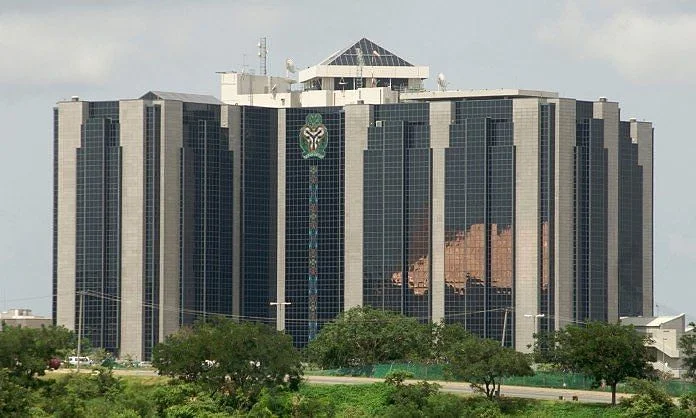
The Central Bank of Nigeria introduced licensing rules for stablecoin issuers on Nov. 5 and prohibited algorithmic stablecoins, placing virtual asset operations under direct regulatory oversight.
The Regulations for the Operations of Non-Security Virtual Assets in Nigeria cover activities carried out inside Nigeria, directed at local residents, or capable of materially affecting the payment system, financial stability, financial system or foreign exchange market. These standards pull offshore platforms that serve Nigerian users into the same licensing scope as domestic companies.
The CBN oversees non-security virtual assets used for payments, settlements and remittances. The Securities and Exchange Commission retains jurisdiction over securities and investment contracts. Companies whose activities cross both categories must get licences from both bodies. This arrangement matches the structure established in July by President Bola Tinubu, whose executive order created a CBN-chaired Virtual Asset Council without shifting statutory powers between regulators.
Capital requirements and reserve mandates
Issuers must incorporate a Nigerian company and receive written central bank authorization before offering regulated services. Capital rules establish different thresholds across token classes:
- Issuers of naira-pegged stablecoins must hold at least $7.44 million (₦10 billion) in paid-up capital.
- Issuers of foreign currency-pegged stablecoins must hold at least $11.16 million (₦15 billion) in paid-up capital.
- Other virtual asset service providers must hold at least $744,048 (₦1 billion) in paid-up capital.
Firms cannot count funds maintained for SEC licensing toward these balances. In separate draft rules published on Sept. 1 that have not yet taken effect, the SEC proposed a $2.23 million (₦3 billion) capital minimum for market-maker forex broker-dealers.
Issuers of naira-pegged tokens must hold at least 20% of their total reserves in a deposit account at the CBN. Customers must be allowed to redeem tokens at par value in the reference currency within one business day. Algorithmic stablecoins are banned outright under the rules.
Peer-to-peer trading platforms need independent central bank approval. Before transferring or crediting regulated tokens, P2P operators must verify that the name on a user's naira account matches their Bank Verification Number.
Growth in crypto transactions and policy background
In June, the International Monetary Fund reported that Nigeria represented around 60% of stablecoin inflows across sub-Saharan Africa since 2019. The IMF stated that dollar-pegged assets pressured the country's monetary control and capital flows, urging regulators to bring the market inside official oversight.
SEC Director-General Emomotimi Agama said in March that crypto transactions in Nigeria climbed to about $96 billion from $50 billion the prior year, supported by retail demand and peer-to-peer exchanges.
The rules follow a sequence of regulatory adjustments that began after the CBN prohibited banks from handling digital asset transactions in 2021. The subsequent Investment and Securities Act 2025 classified digital assets as securities. Tinubu's July order instructed the CBN to operate a virtual asset regulatory sandbox and directed the Nigeria Revenue Service to issue a sector tax policy. The order gave the Virtual Asset Council 30 days to prepare a joint implementation framework, while officials finish drafting a Virtual Assets White Paper covering long-term policies.
News is for information only and is not investment advice. Trading forex and CFDs carries a high risk of losing money.